Gathering the Red Record: Burnham-Nobles Digital Archive Expands Unparalleled National Anti-Black Violence Database
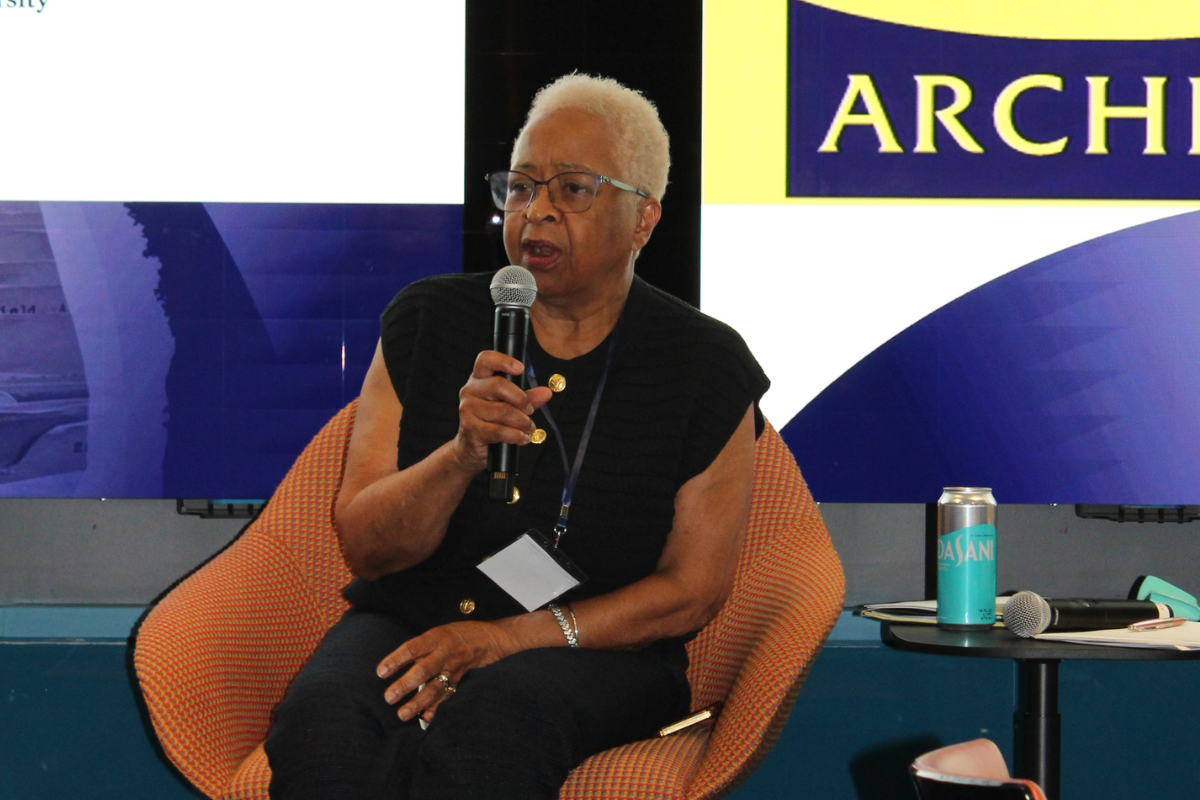
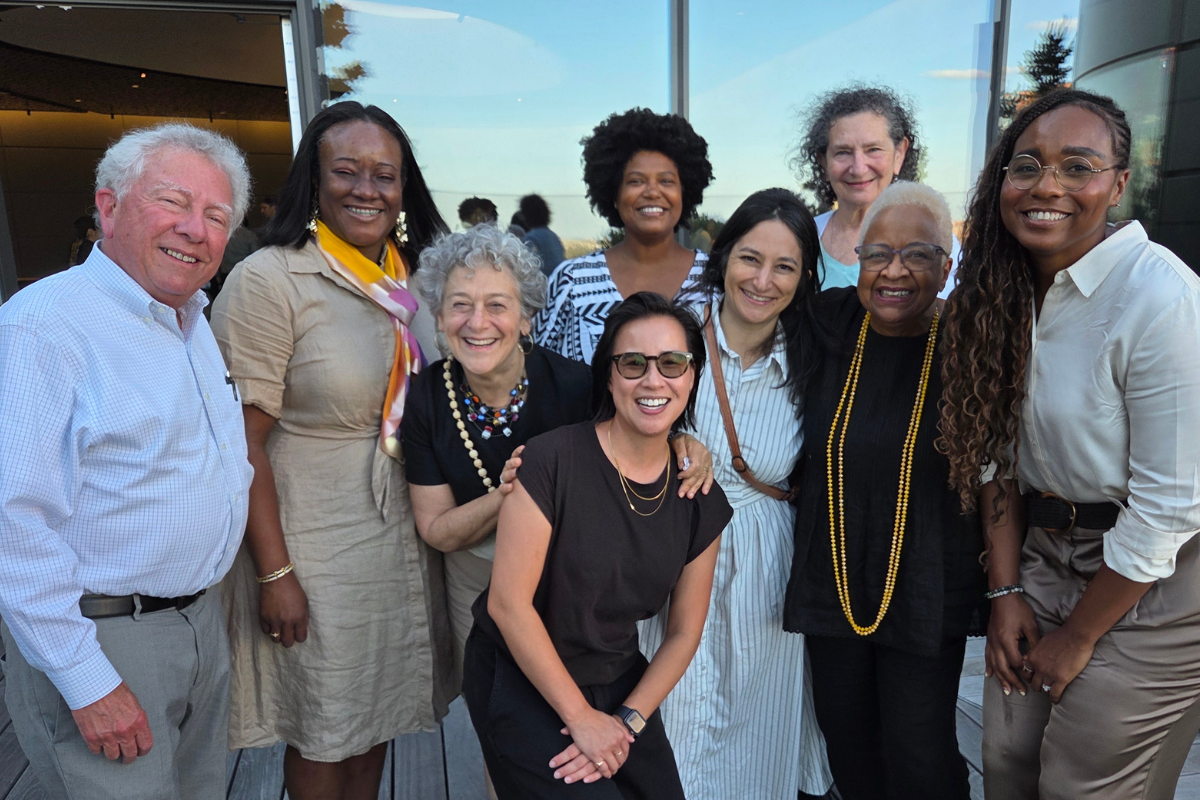
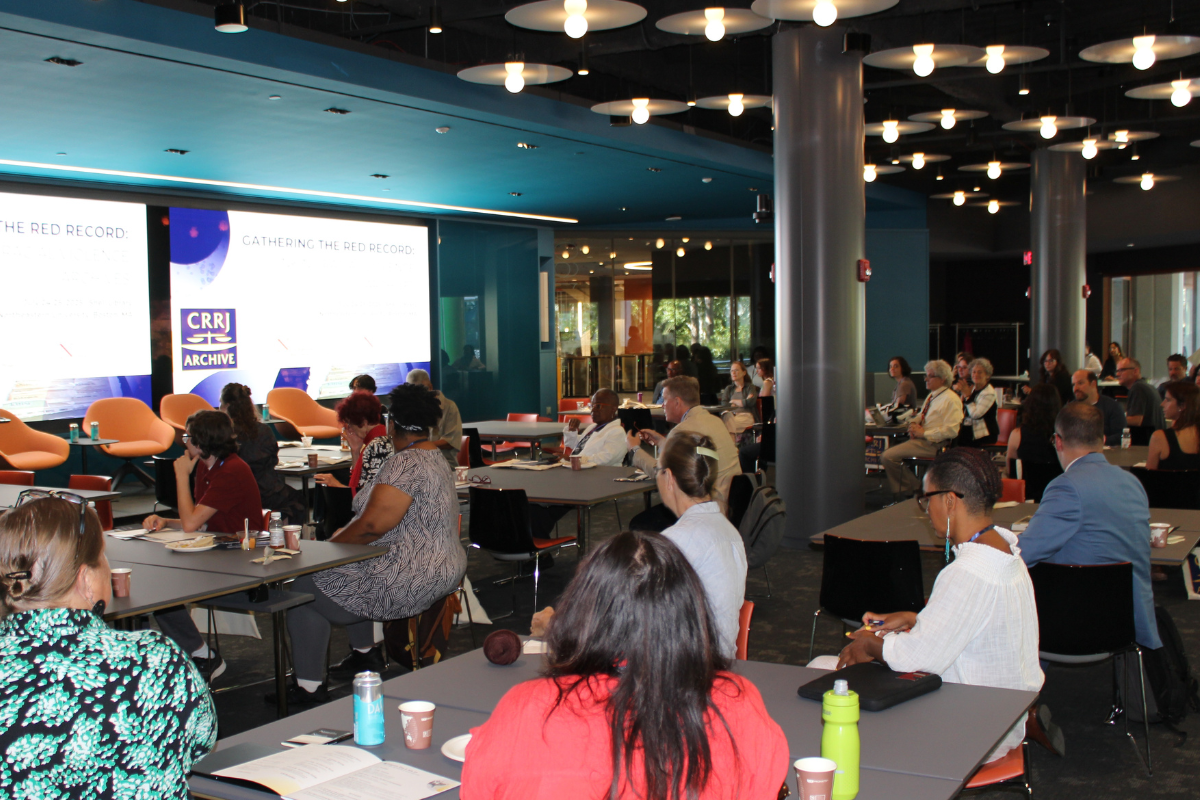
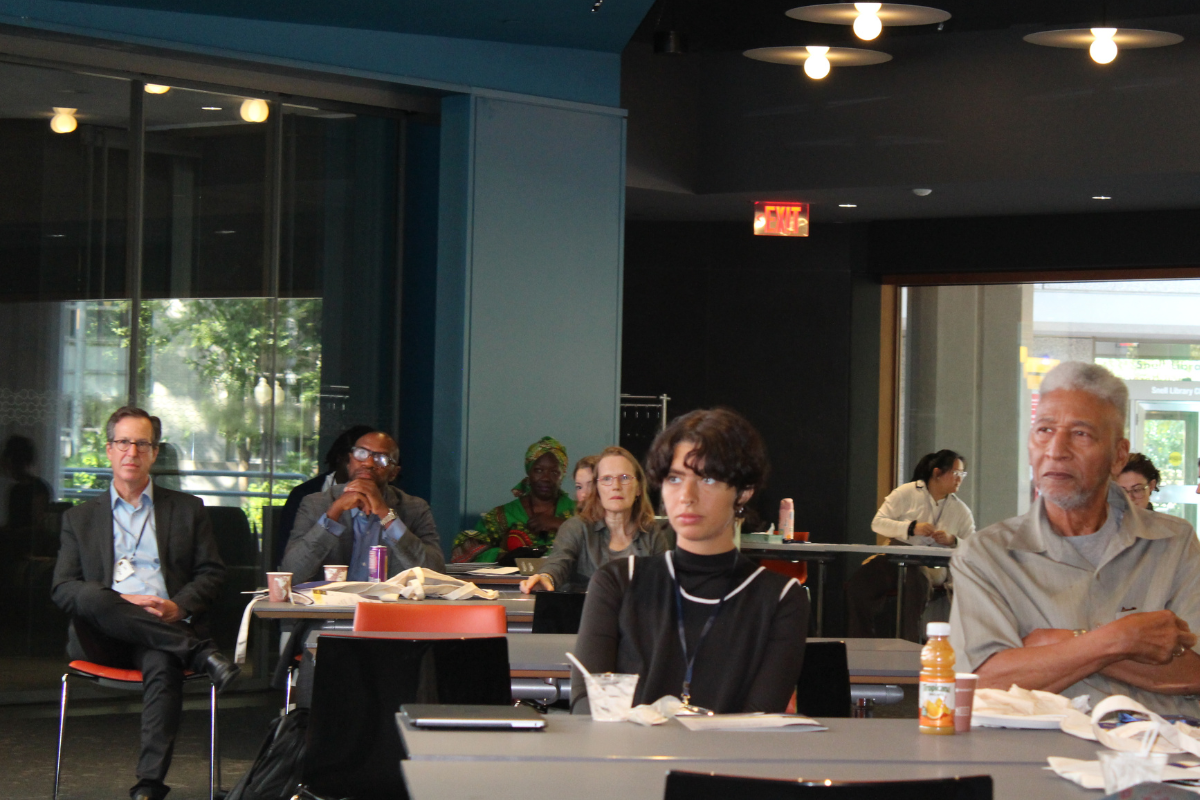
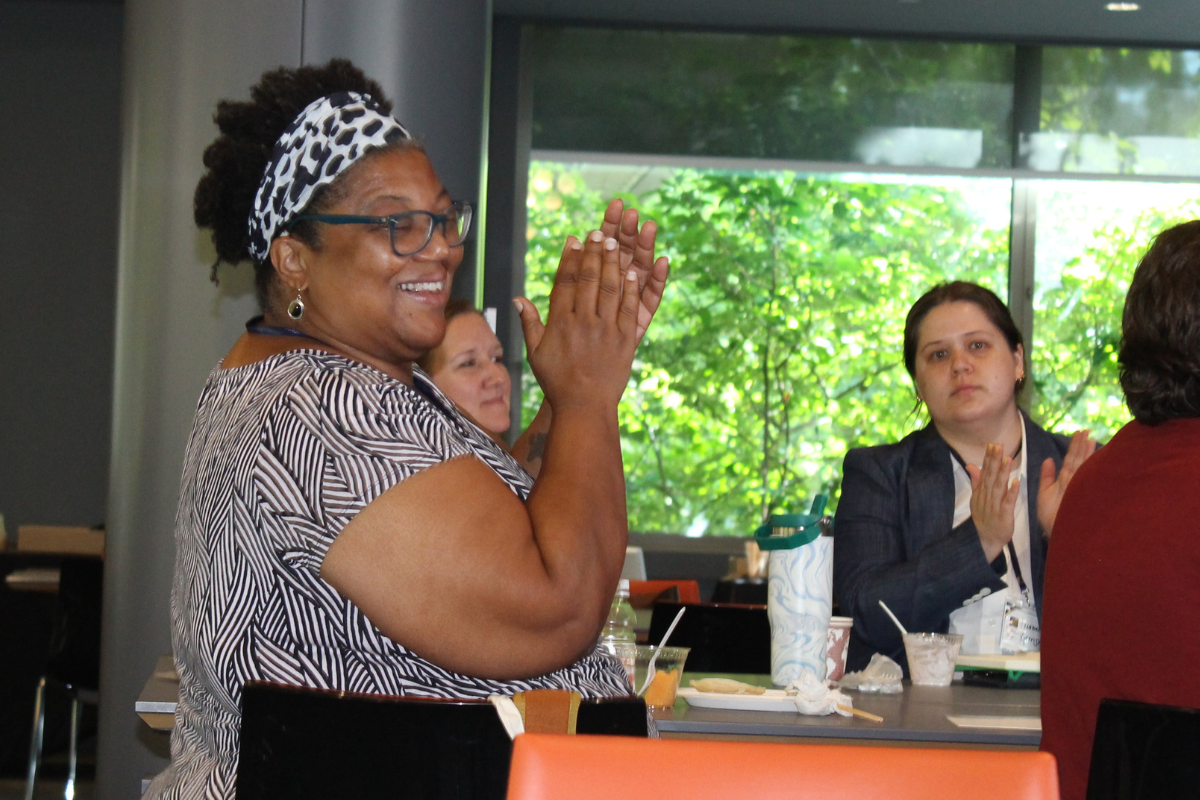
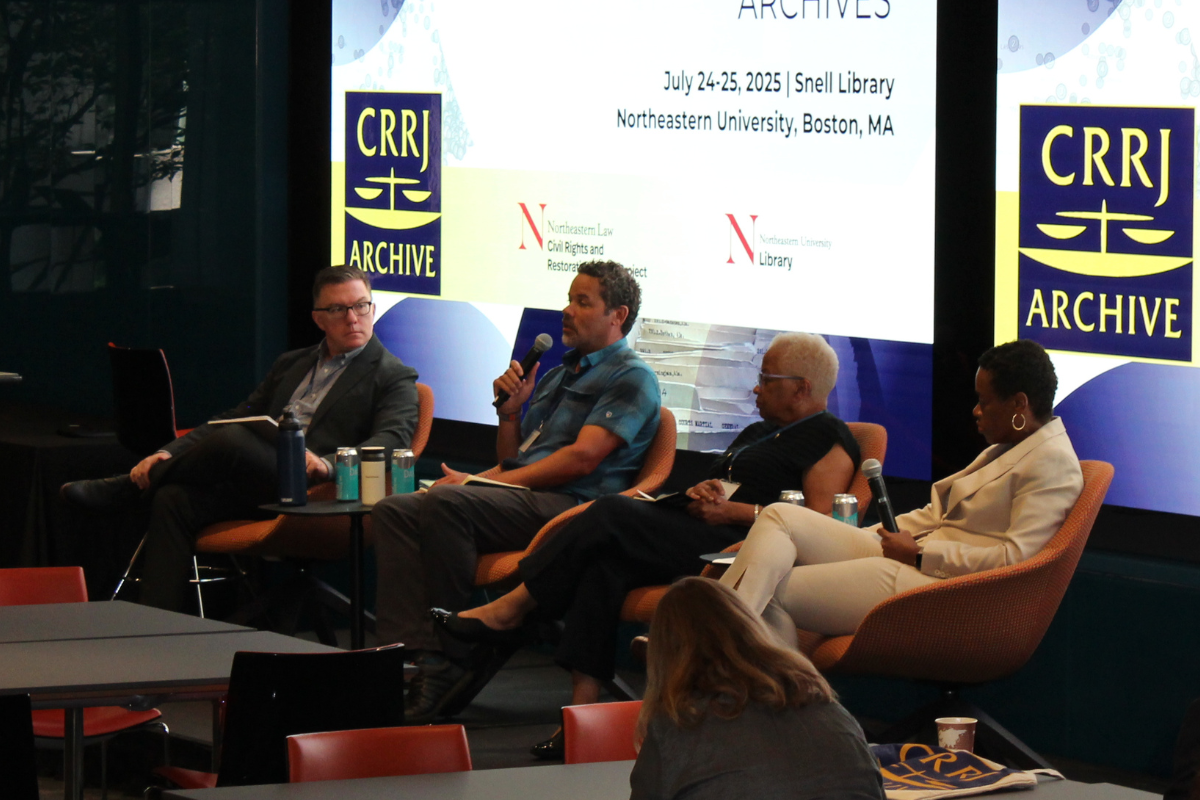
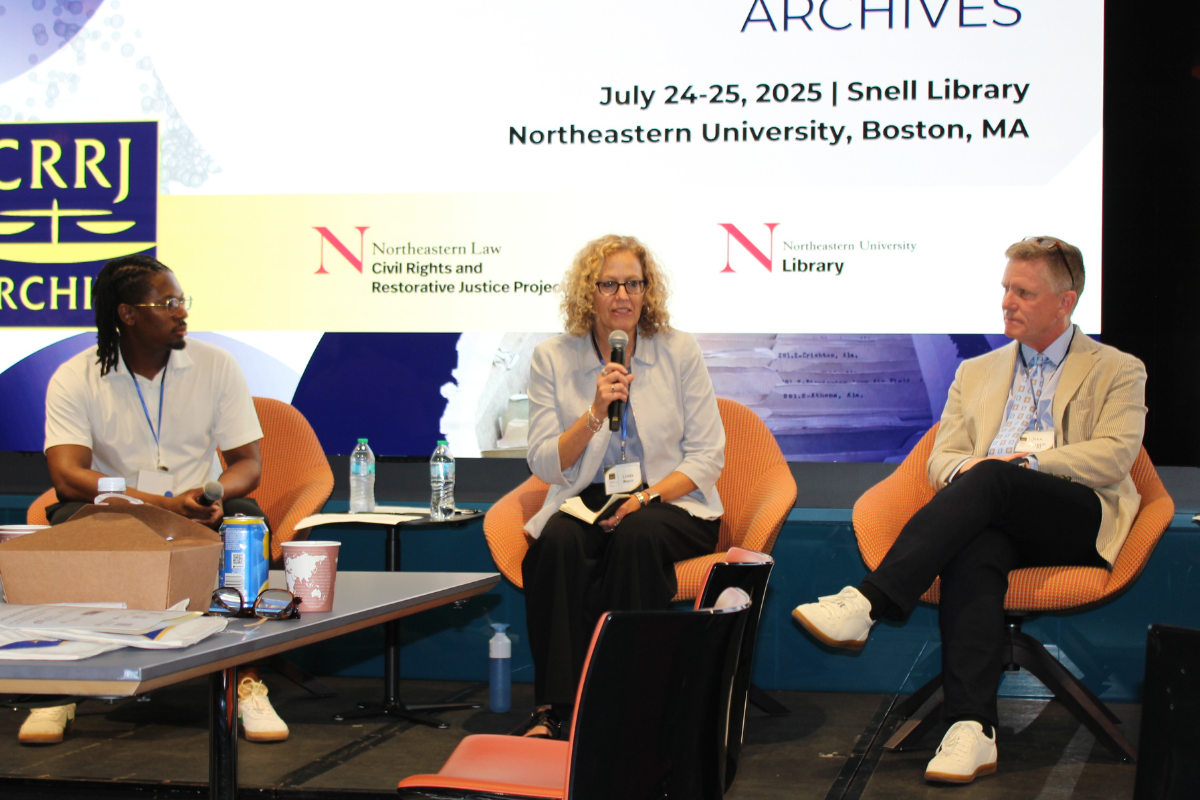
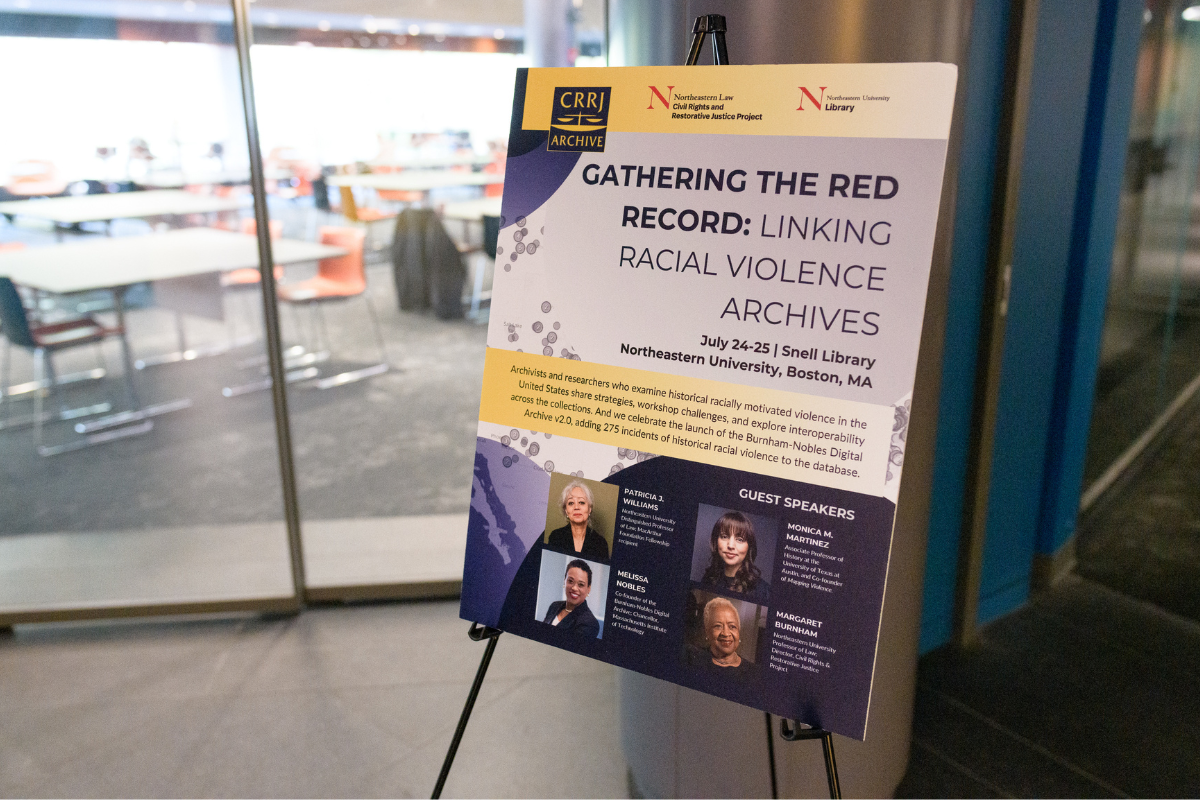
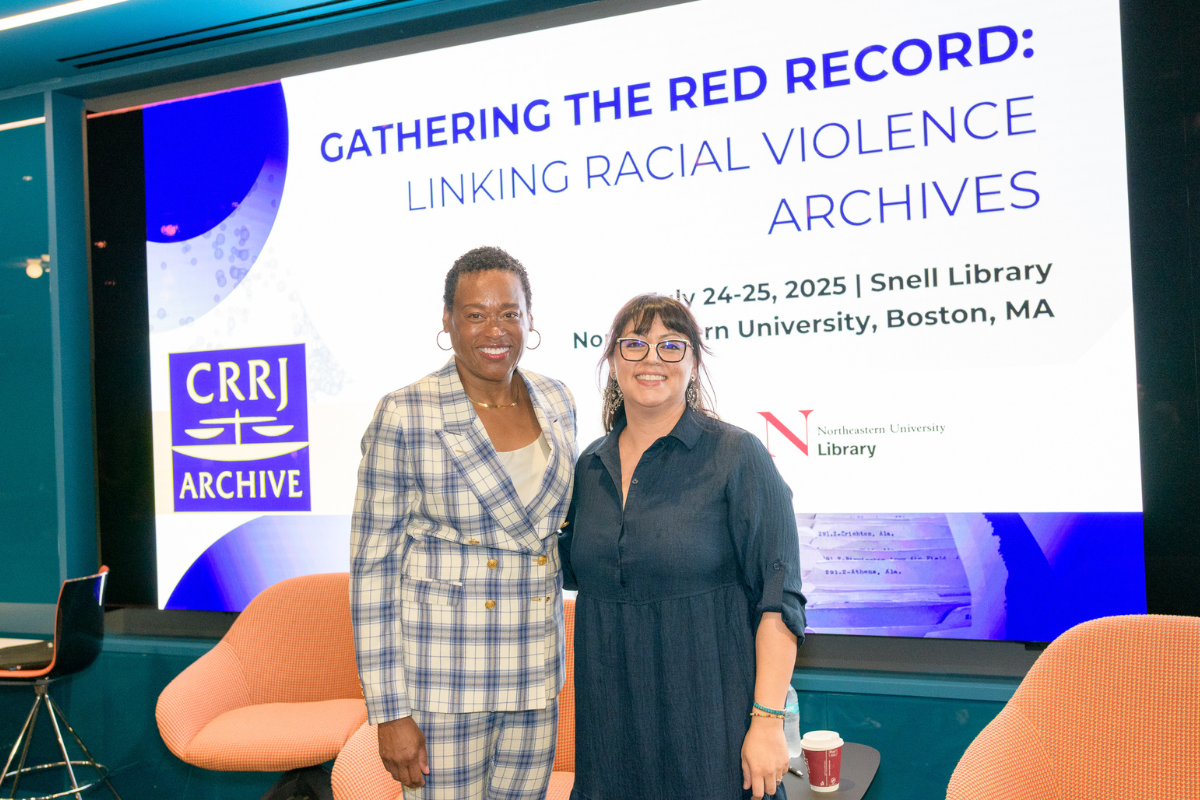
08.13.25 — The Burnham-Nobles Digital Archive, an unparalleled digital database of racially motivated killings of Black people in the Jim Crow South, expanded its collection in July with the addition of 290 new victims and more than 5,000 new documents. Launched in 2022 by Northeastern Law’s Civil Rights and Restorative Justice Project (CRRJ), the Burnham-Nobles Digital Archive announced the expansion at a two-day conference, Gathering the Red Record: Linking Racial Violence Archive, that brought together archivists, historians and legal scholars from across the country.
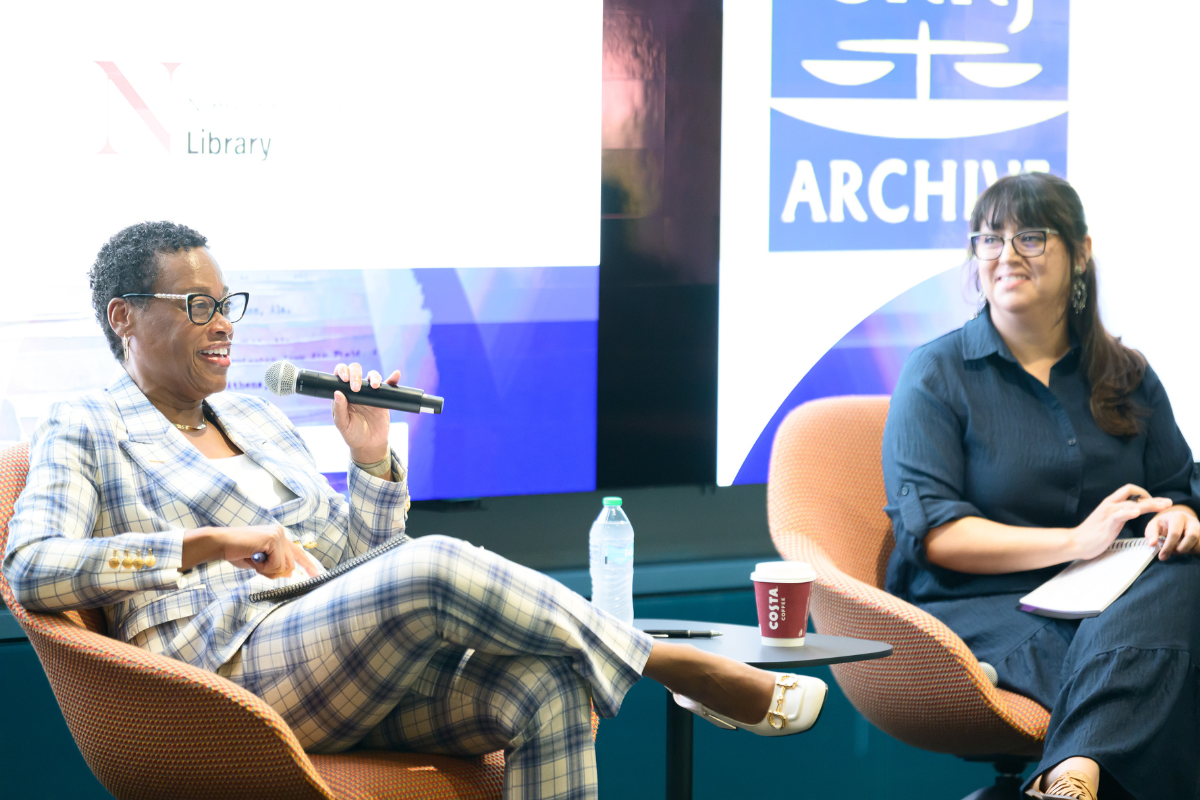
“For roughly two decades now, we have been building an historical record of racist violence across the US and sharing our findings with each other and the broader public,” said Professor Margaret Burnham, founder of CRRJ. “We’ve created our Red Record projects in classrooms and communities across the country. This gathering allowed us to deepen our collaborations and leverage our network to design a nation-wide digital archive. Such a collection will both inform today’s racial redress agenda and significantly expand our knowledge about these atrocities beyond lynching, and beyond Black-white cases.”
This Version 2 expansion includes documents collected through CRRJ’s investigative processes and the Northeastern Law Civil Rights and Restorative Justice Clinic, headed by Burnham. Version 2 also extends the archive’s geographic scope beyond the 11 former Confederate states, and now features cases from 14 additional cities and states, including Maryland, Washington DC, Kentucky and West Virginia.
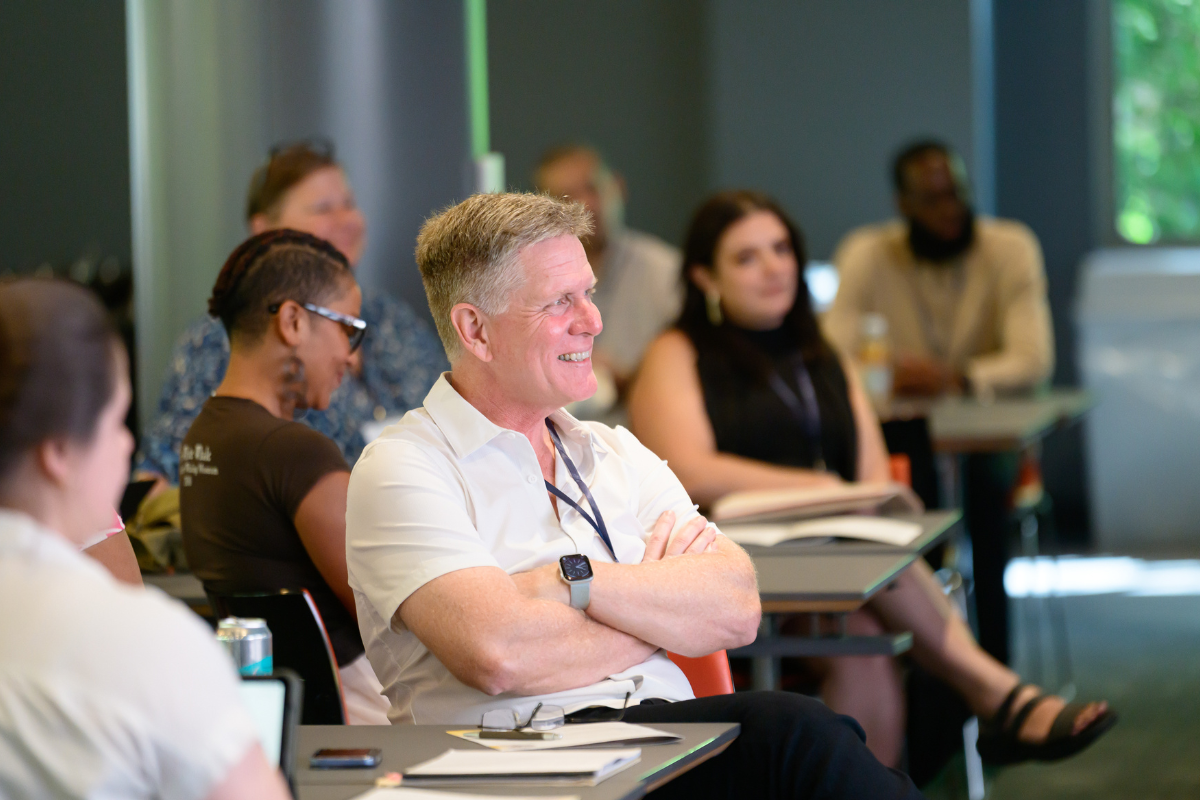
“The archive represents both years of committed research by CRRJ and the efforts of Northeastern Library staff to take this research and make it readily accessible to the public,” said Joy Zanghi, CRRJ’s project archivist, during the official unveiling of Version 2 before more than 150 attendees. Zanghi has overseen updates over the last two years and served as the liaison between CRRJ investigators and staff from Northeastern University Archives and Special Collections, Digital Production Services and the Digital Scholarship Group. In addition to introducing the new version of the archive, participants discussed how their various projects might be linked to facilitate greater access.
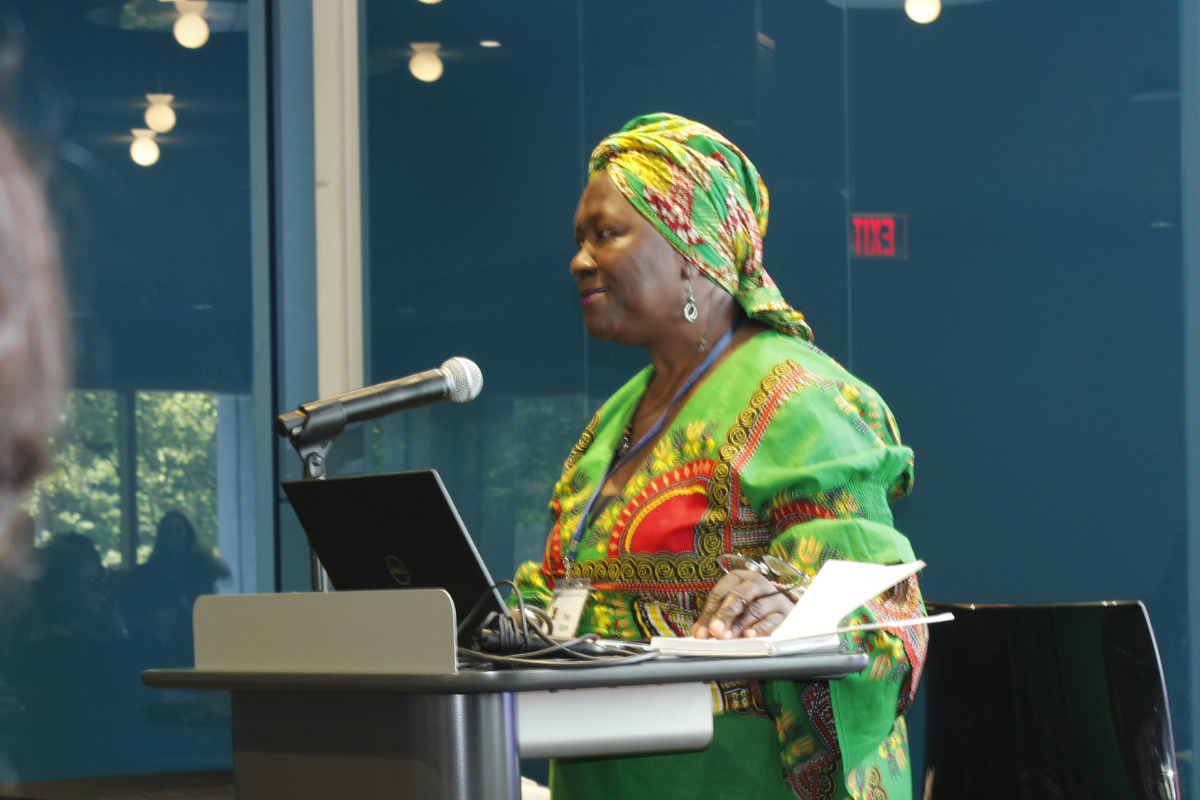
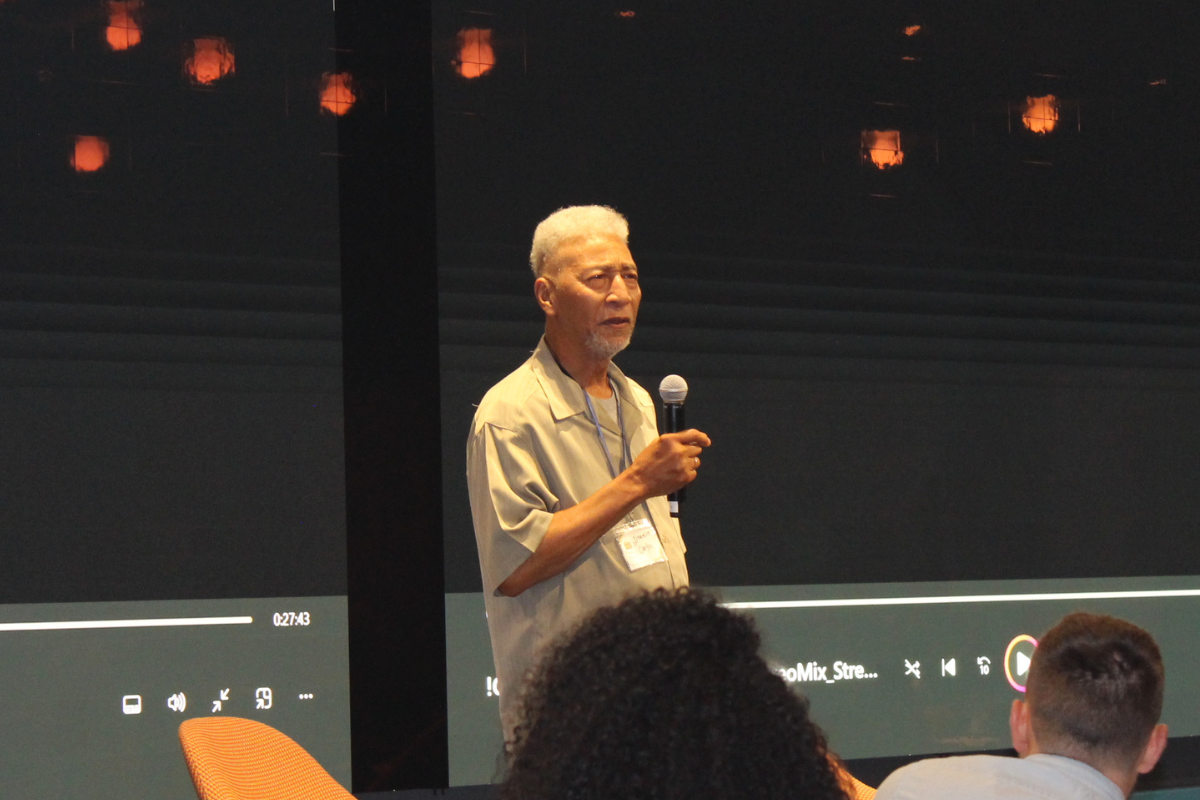
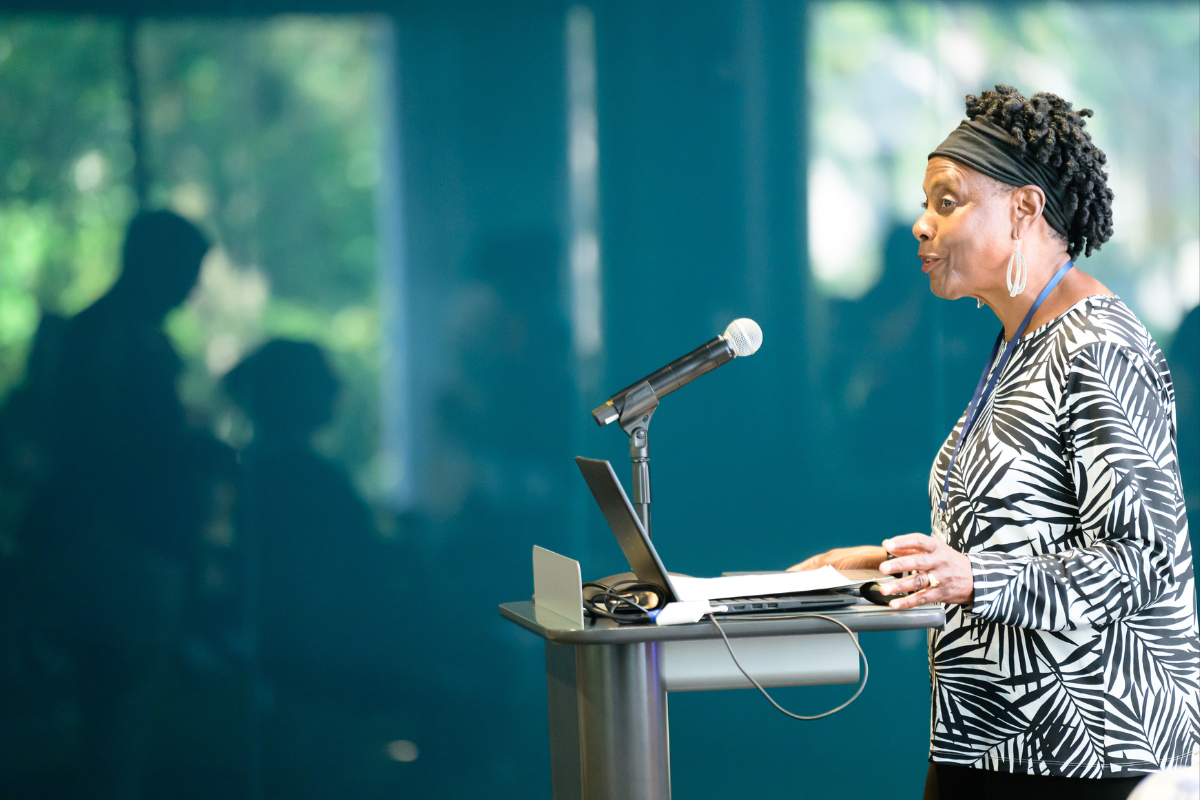
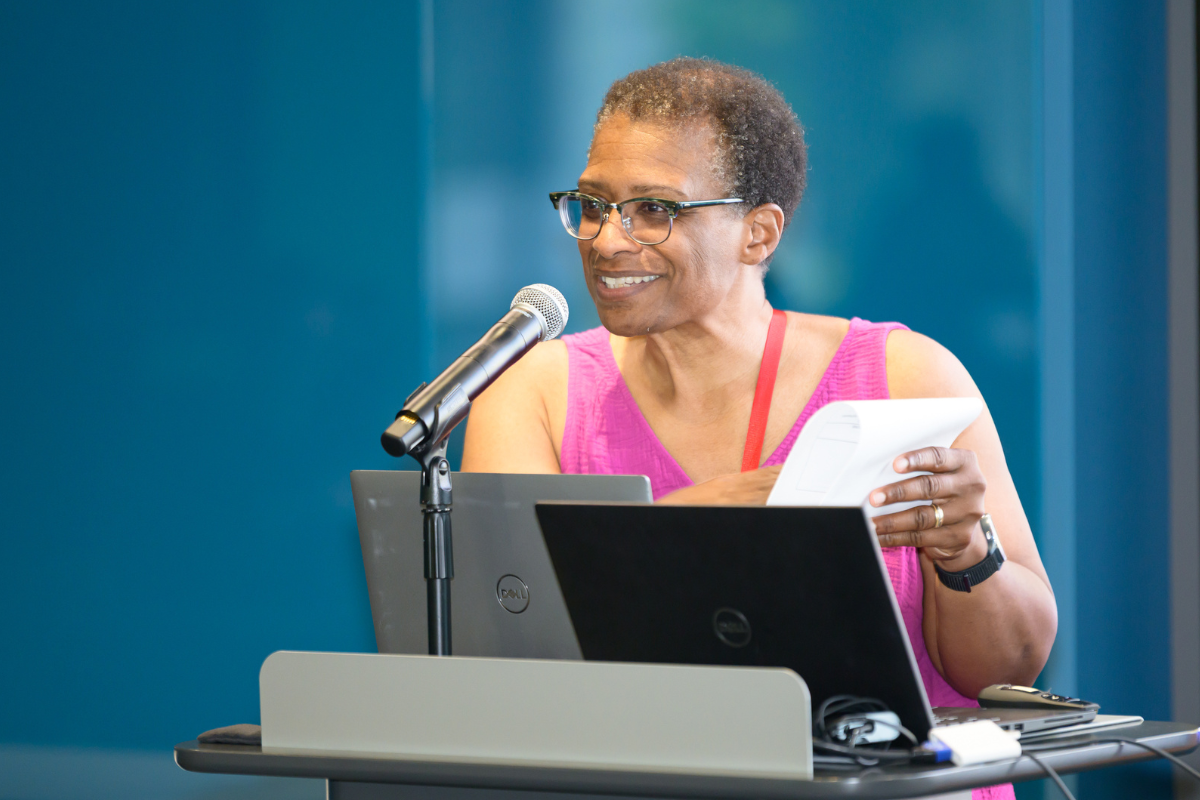
Professor Patricia Williams, Northeastern University Distinguished Professor of Law and Humanities, delivered the keynote address, Giving Voice to Silence: The Archiving of Memory, on the first day of the conference. Williams spoke about the broader landscape of archival projects and how historical experiences have shaped the current cultural and political worlds. She addressed the questions of memory transmission and the role of archives in remembrance.
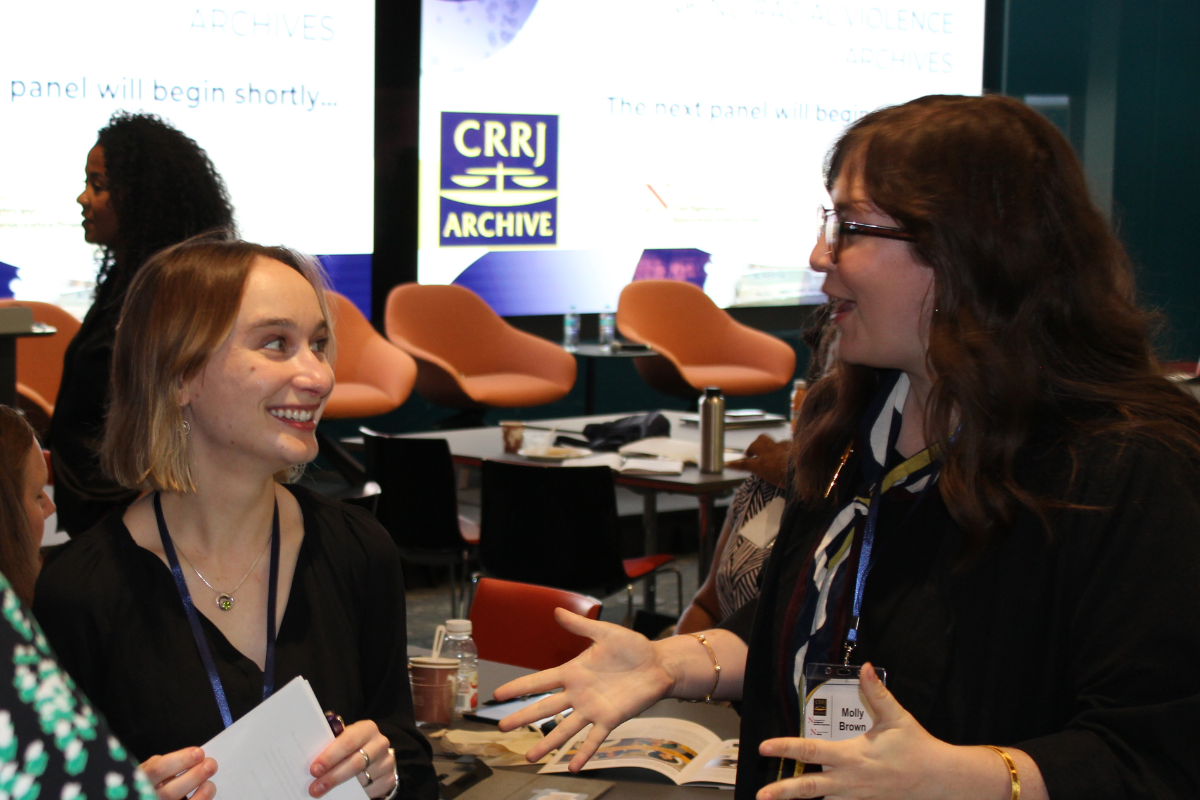
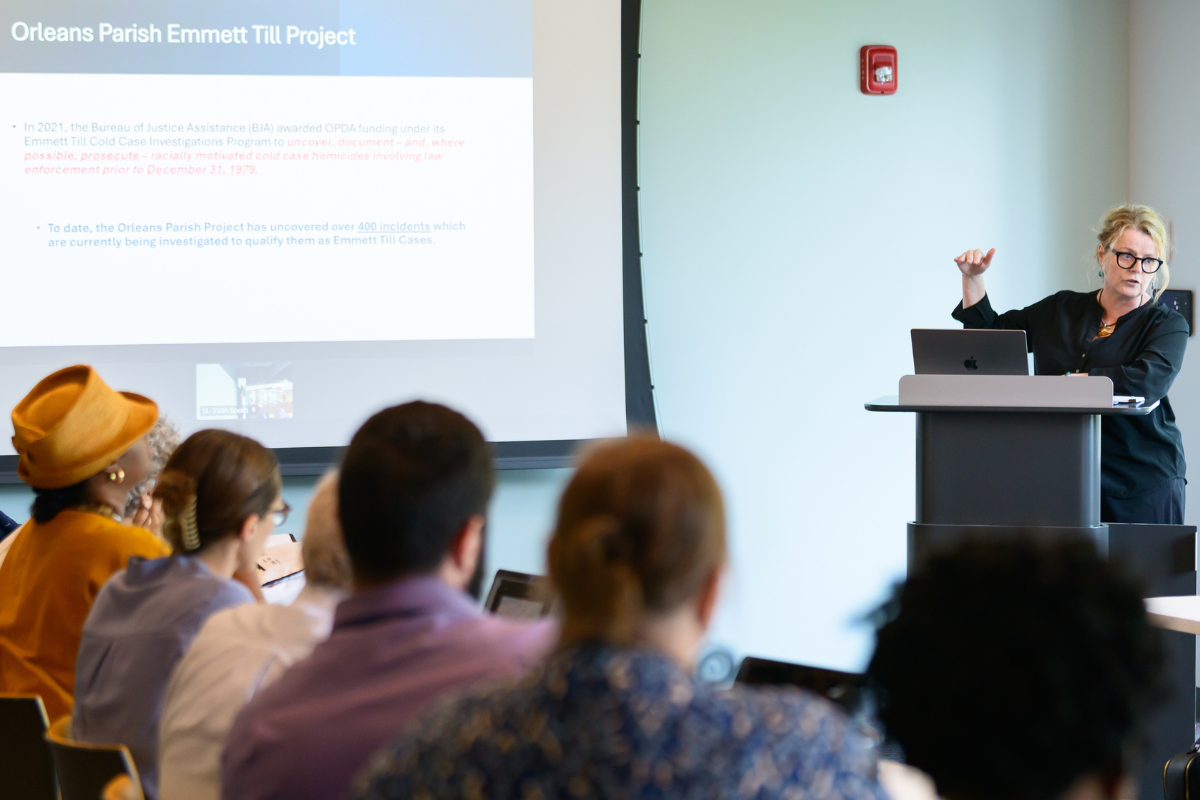
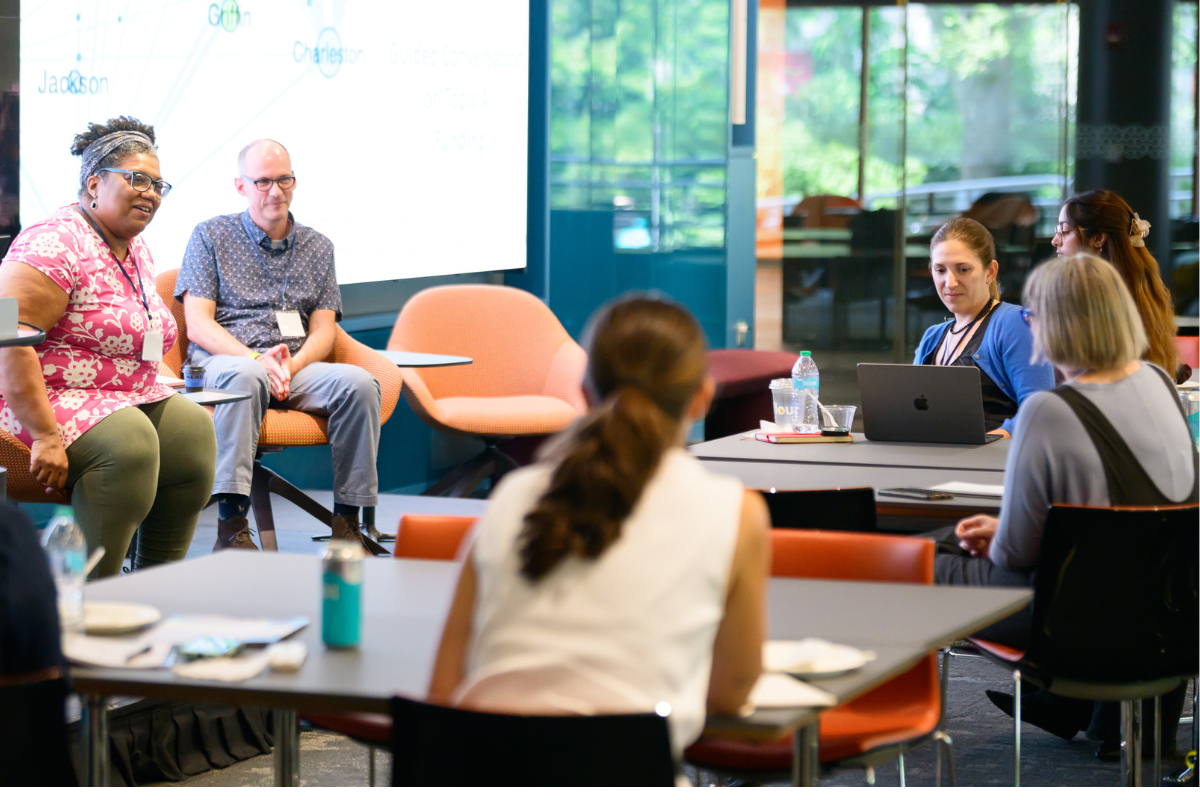
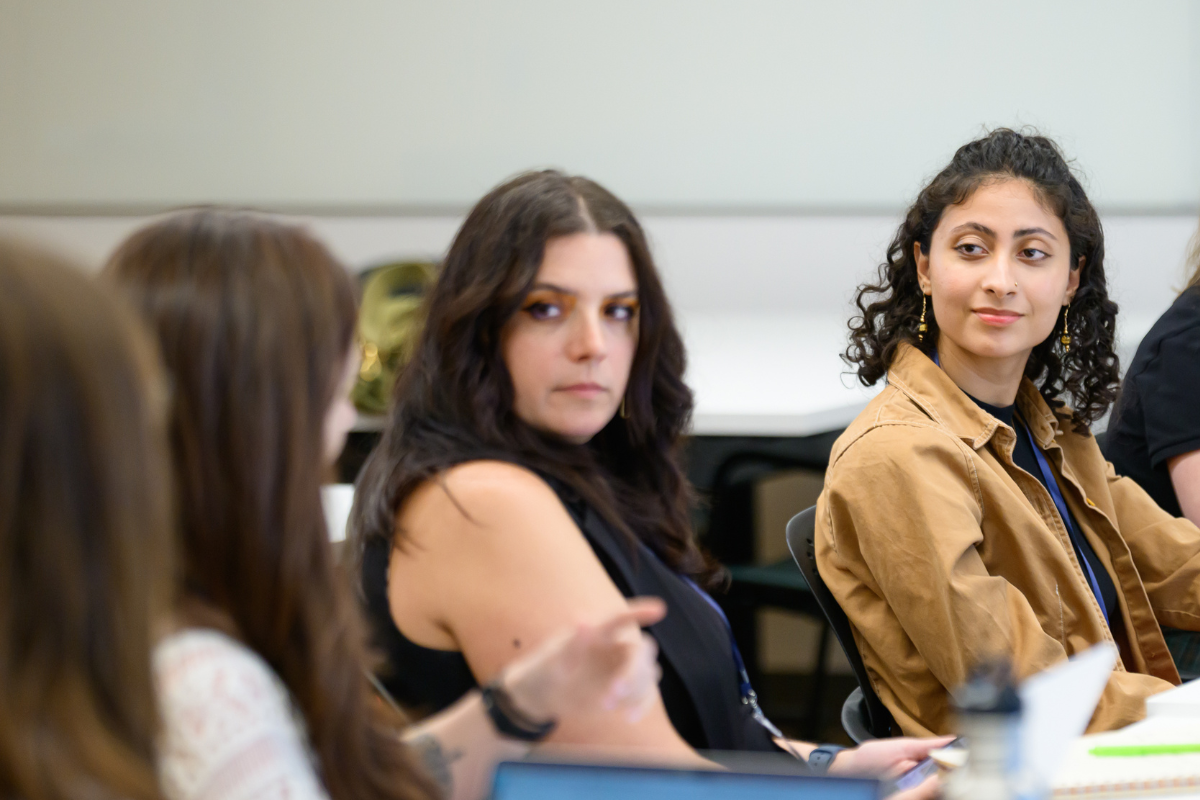
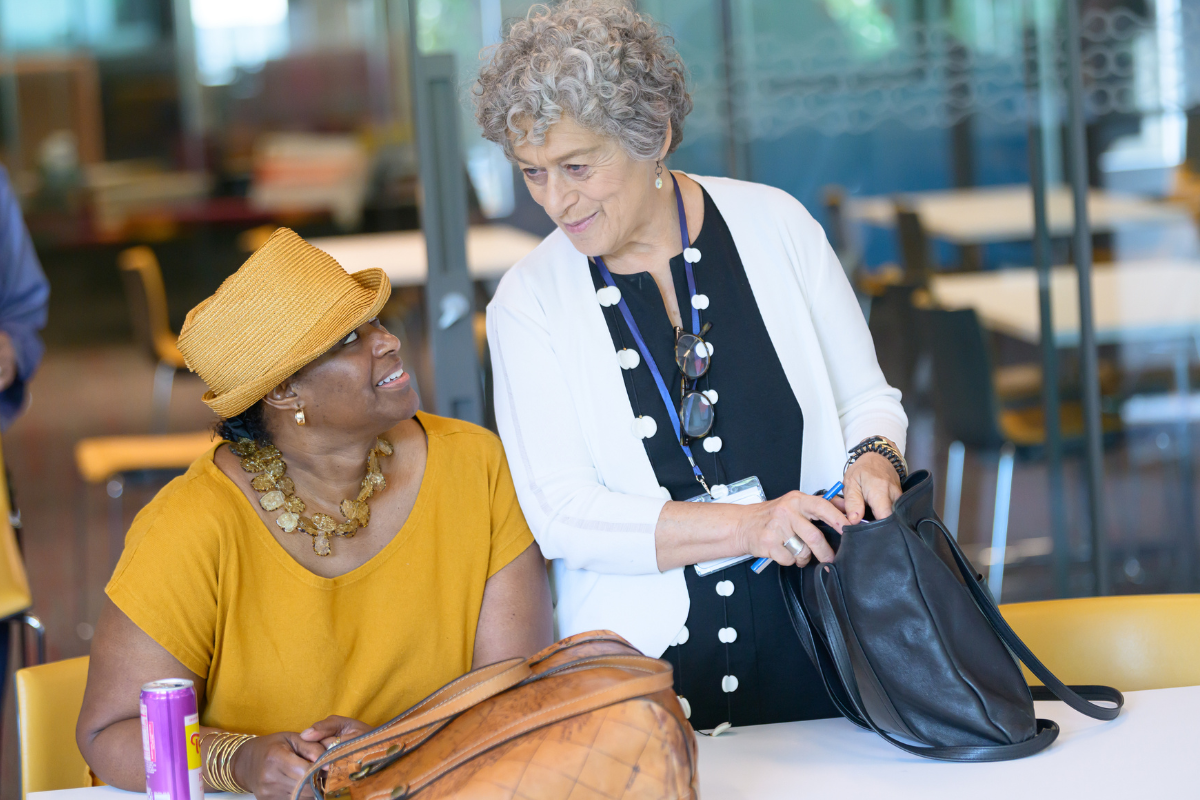
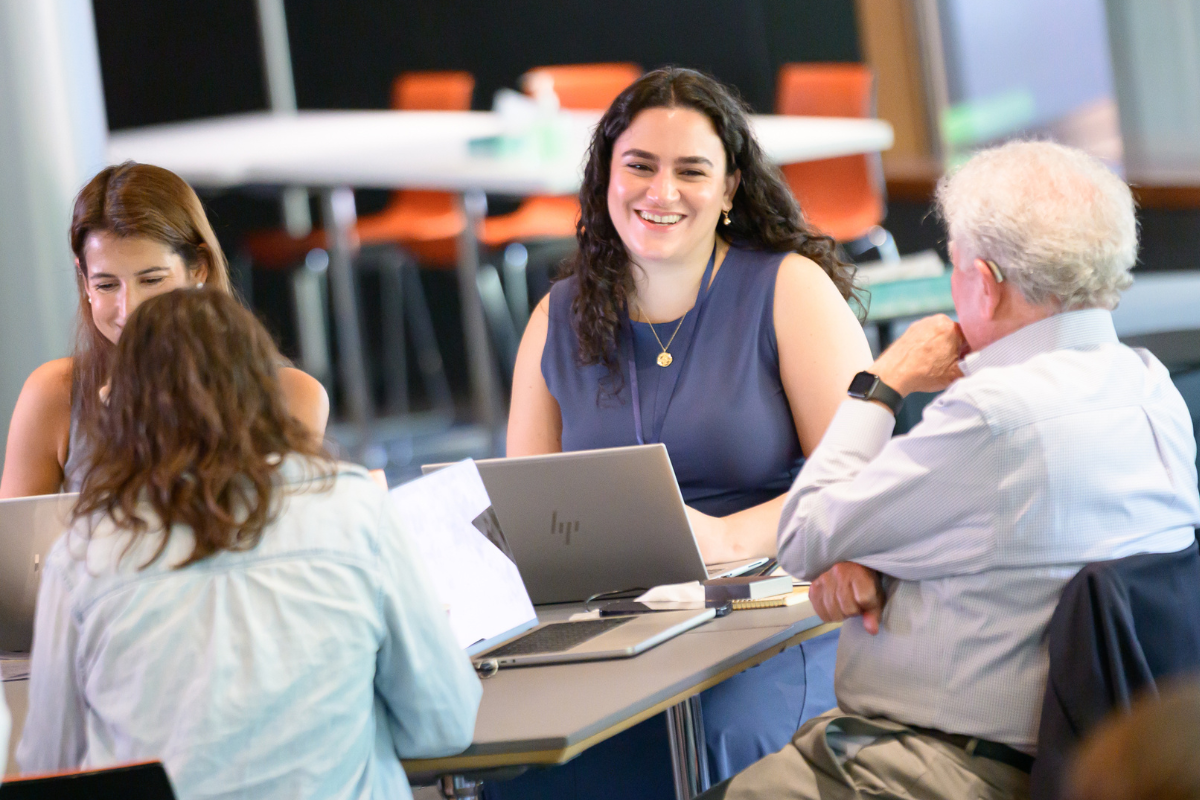
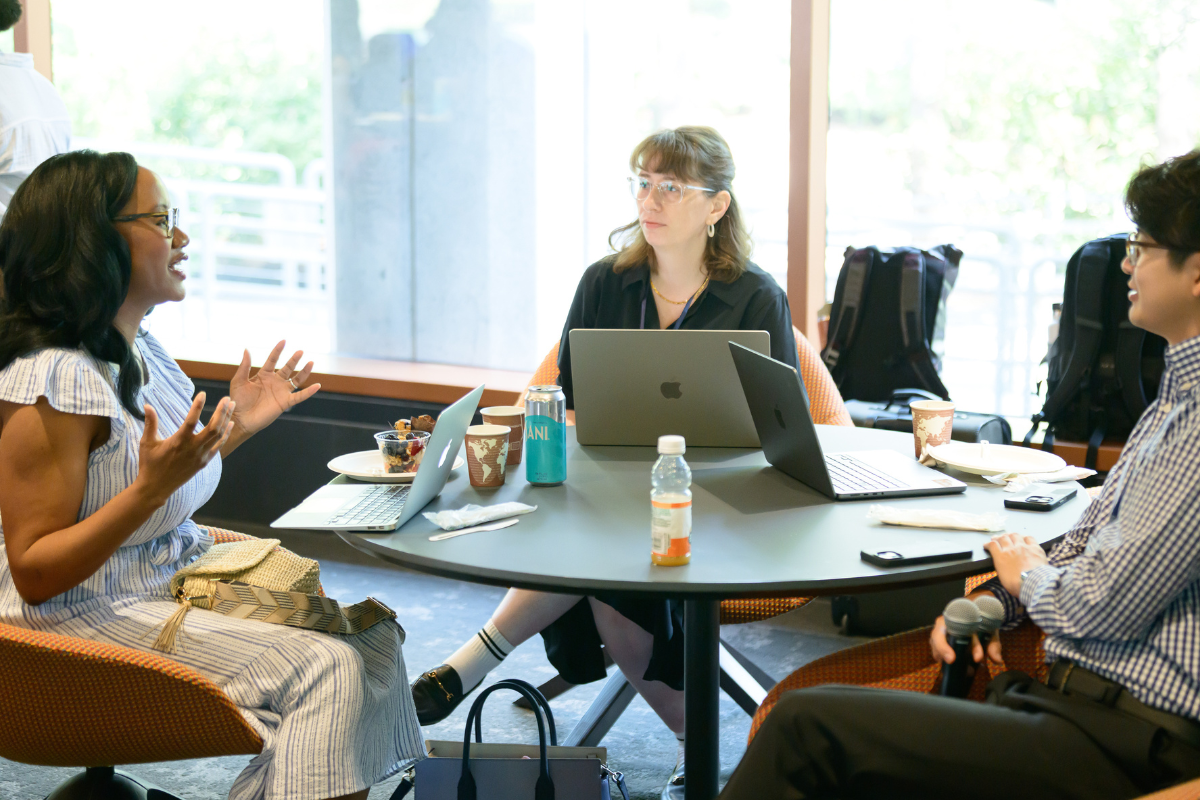
The second day of the conference gave Northeastern Library’s archivists and researchers a chance to meet with those at similar projects examining historical racially motivated violence in the United States, to discuss feasibility, sharing and attribution practices, funding, governance and administration. These sessions were designed to identify pathways to the creation of a national project.
Over the past year, a team of Northeastern Library Archivists, led by Nortonsmith and Giordana Mecagni, head of archives and special collections for Northeastern University Library, has identified projects with similar aims and ambitions to the Burnham-Nobles Digital Archive. With support from Dr. Jay Driskell, CRRJ’s historian, Joel Lee, data engineer in the Digital Scholarship Group at Northeastern University Library, and other library staff, the group have met with the primary investigators at sister projects and analyzed their data and research processes. Based on these sessions the Northeastern team has produced the Racial Violence Interoperability White Paper, which addresses the possibilities for future collaboration.
“The conference gave our ‘sister projects’ the opportunity to hear directly from each other about their vision for a national project, how it might enhance their own work, and how it might advance understanding of the effects of racialized violence across the spectrums of time, geography, and socioeconomic status,” said Gina Nortonsmith, archivist for African American History and former project archivist for the Burnham-Nobles Digital Archive. “The White Paper project puts in conversation researchers and archivists who document historical racial violence in pursuit of a plan to interoperate collections and realize economies of scale. The roadmap describes how a national digital project might emerge, including how data dictionaries might be aligned, and it explores questions of governance, standardization, cost-sharing, security and hosting.”
“It demonstrates the transformative potential of interdisciplinary collaboration in digital humanities and serves not only as a repository of this history, but as a catalyst for ongoing conversations about justice, repair, and how we can continue to preserve and document this complex past,” said Zanghi.
In 2007, CRRJ held a conference, Crimes of the Civil Rights Era, which brought veterans of the 1960s-era civil rights movement together with scholars, lawyers and journalists. After this gathering, MIT Chancellor Melissa Nobles and Professor Margaret Burnham began independently collecting material on cases of anti-Black homicide that were outside of the scope of the Emmett Till Act. As they searched newspapers for contemporary reports on these older cold cases, it became clear that there were hundreds of incidents that had never been investigated.
What started as a rather scattered effort to investigate these incidents and work with the affected families eventually became a well-defined project to collect data on, leading, ultimately, to the Burnham-Nobles Digital Archive.
Since 2009, these incidents have been investigated by law students, graduate students in journalism and public history, undergraduates, and other volunteers over the years. About four hundred students have worked on the project.
“Version 2 of the Archive continues CRRJ's commitment to providing unparalleled access to these newly collected and digitized materials, supporting research across multiple disciplines while advancing the vital work of historical truth-telling and restorative justice,” said Zanghi.
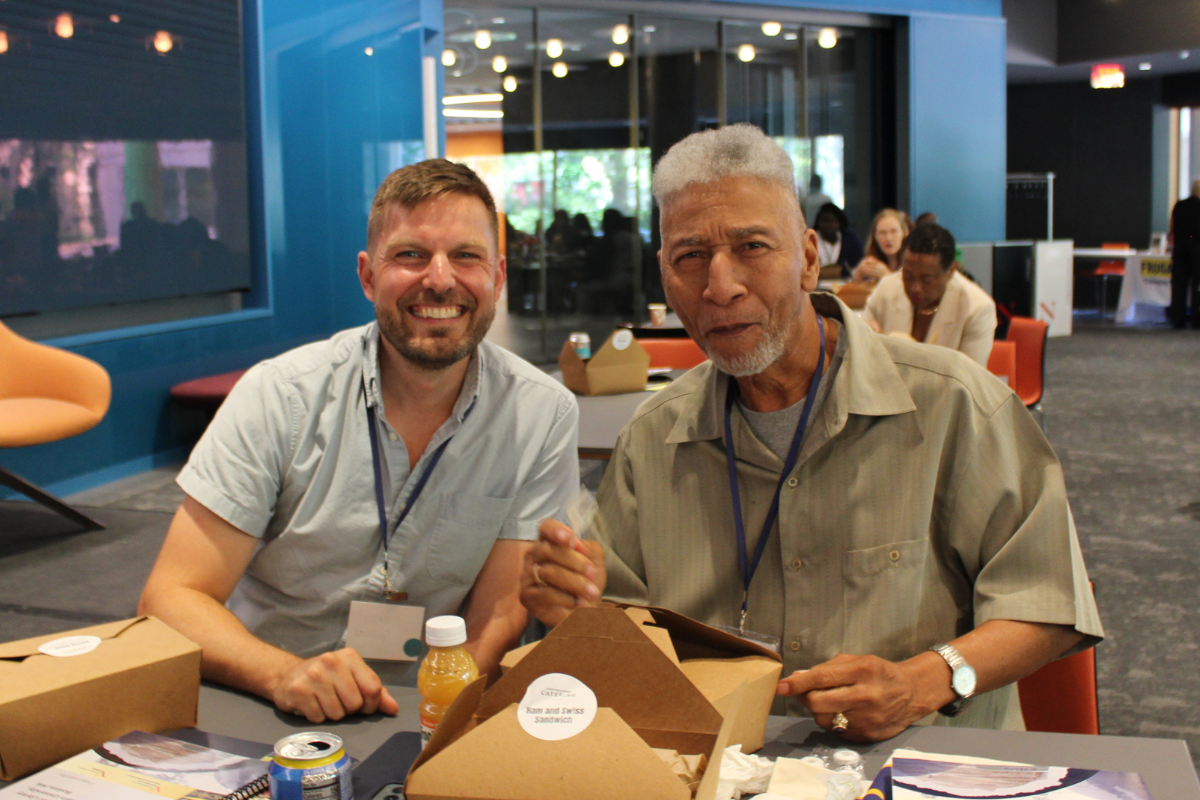
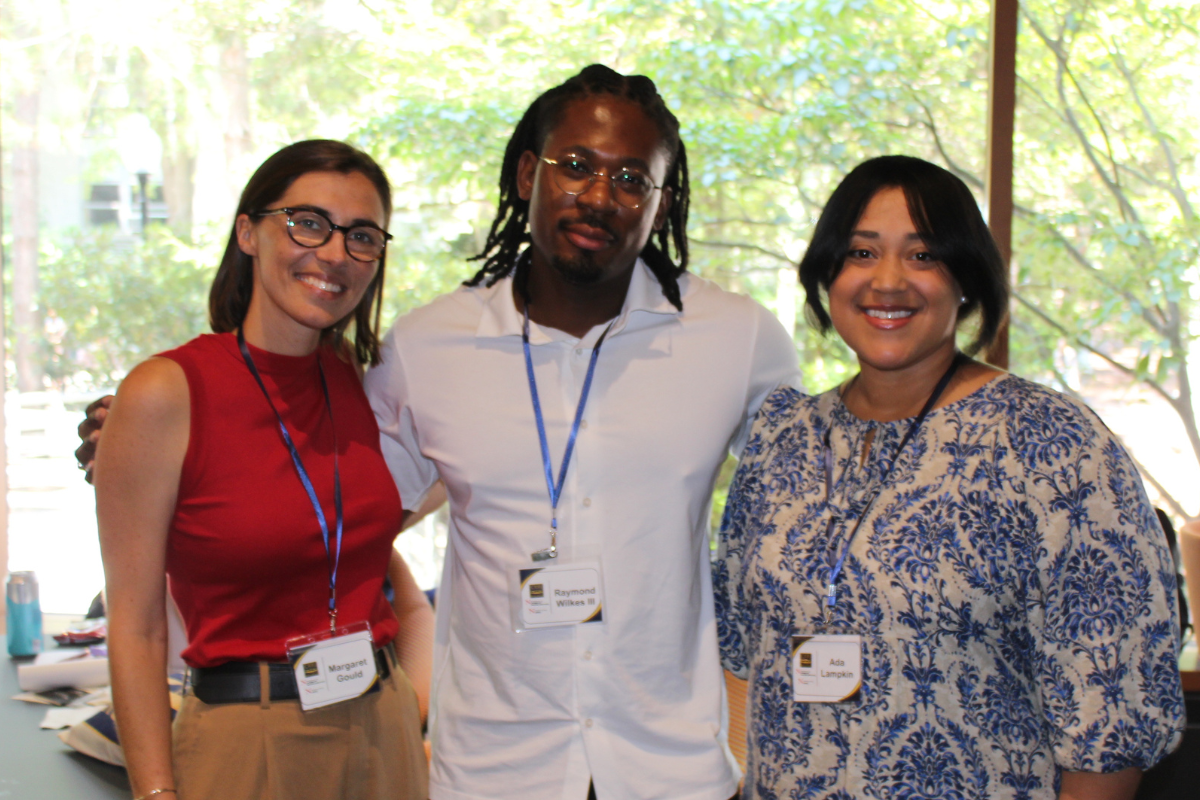
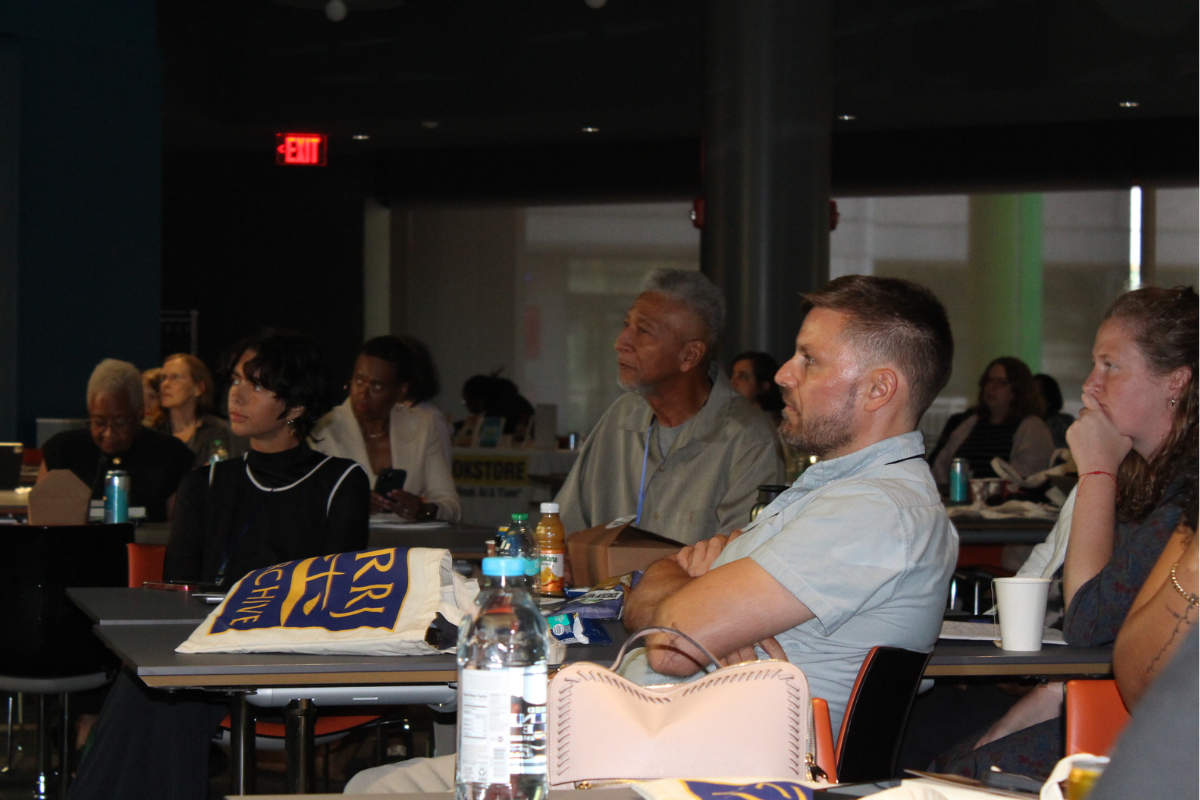
Conference Photo Galleries
Conference Day 1
Photographs by Catherine McGloin

Conference Day 2
Photography by michaelmanningphoto.com.




The nation’s leader in experiential legal education since 1968, Northeastern University School of Law offers the longest-running, most extensive experience-based legal education program in the country. Northeastern guarantees its students unparalleled practical legal work experiences through its signature Cooperative Legal Education Program. More than 1,100 employers worldwide in a wide range of legal, government, nonprofit and business organizations participate in the program. With a focus on social justice and innovation, Northeastern University School of Law blends theory and practice, providing students with a unique set of skills and experiences to successfully practice law.
For more information, contact [email protected].