Northeastern Law Celebrates 31st Annual Valerie Gordon Human Rights Lecture
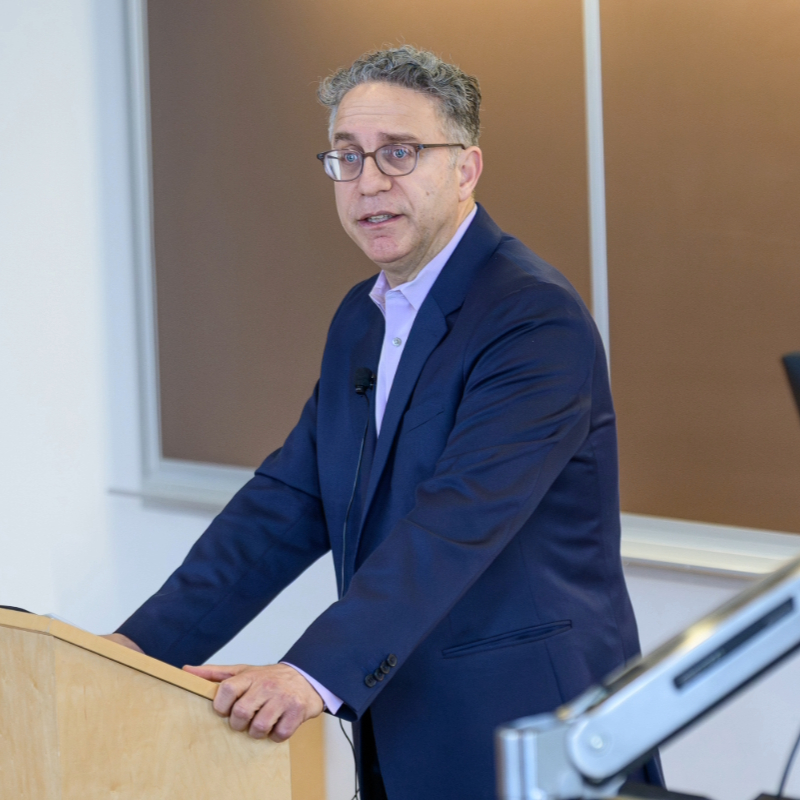
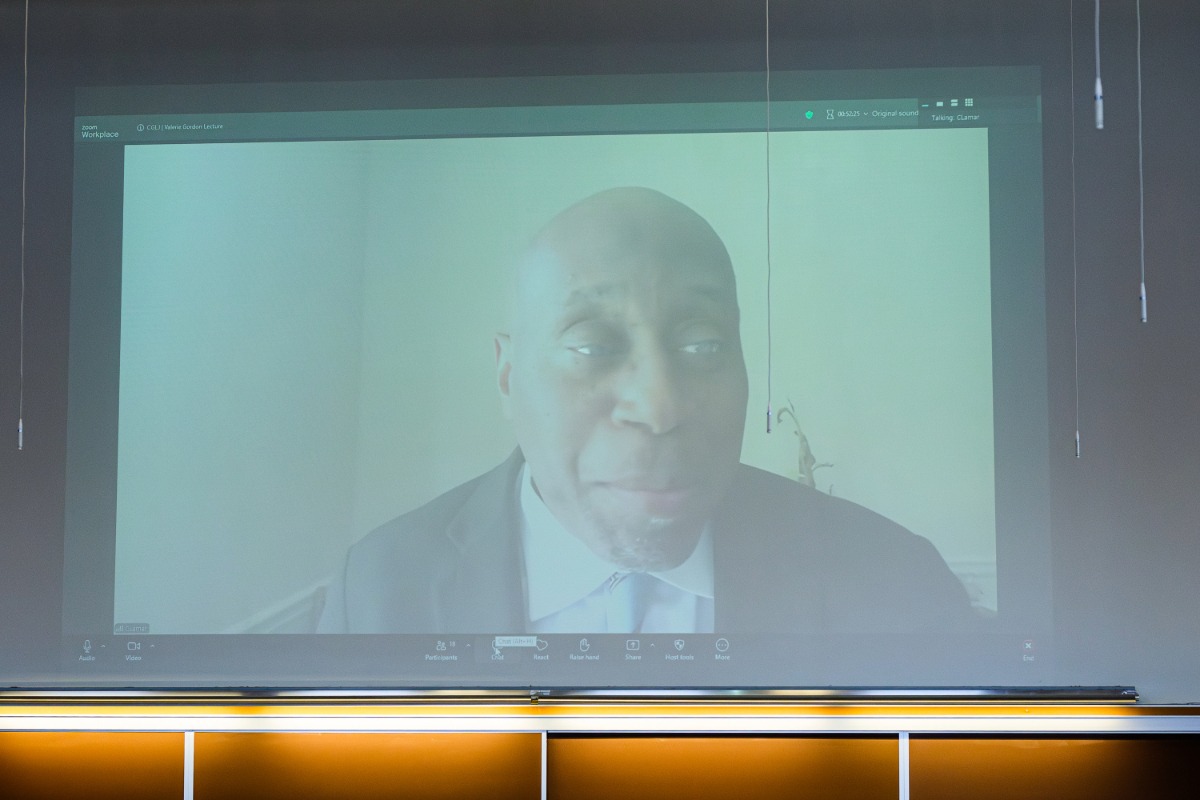
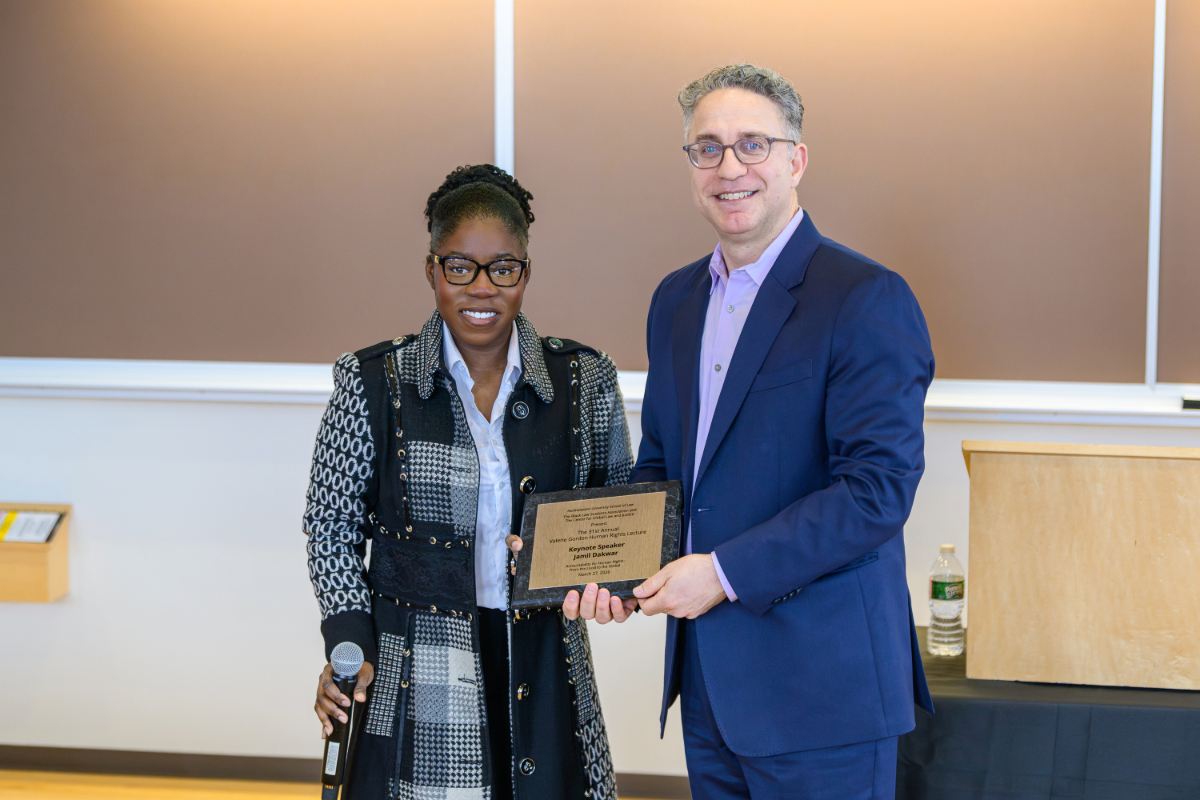
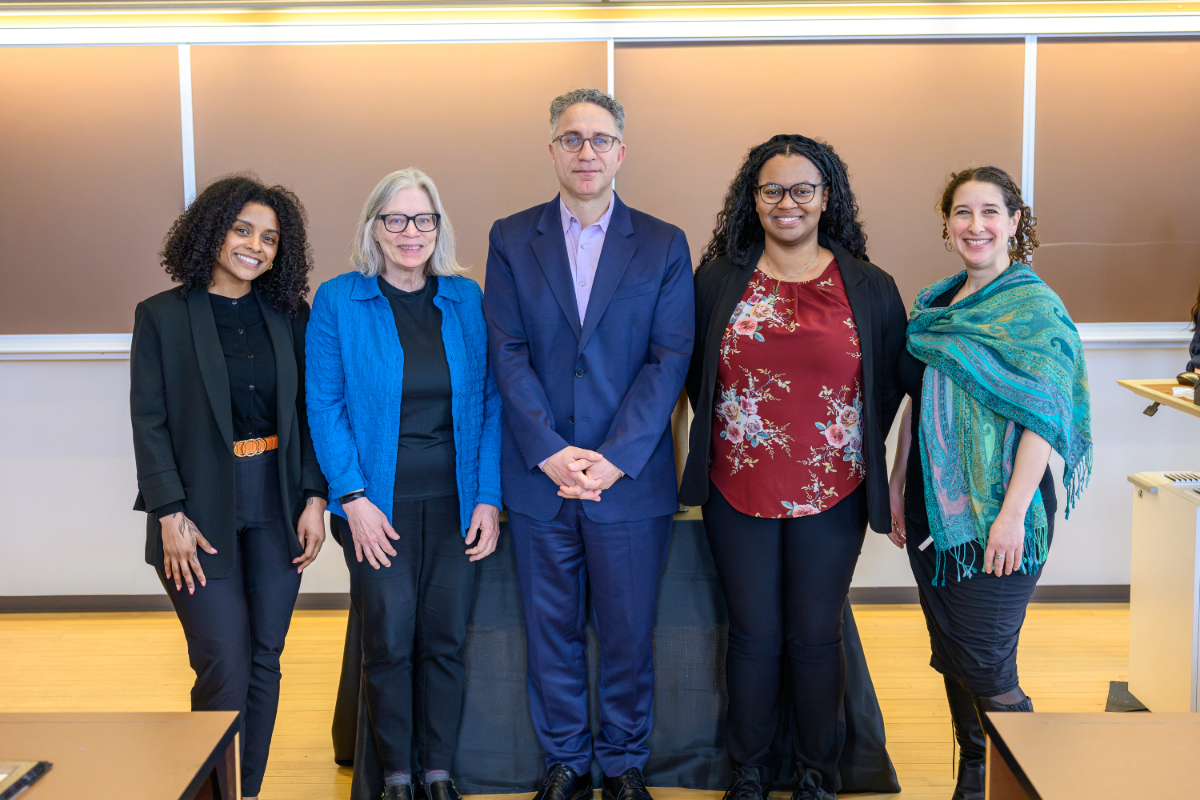
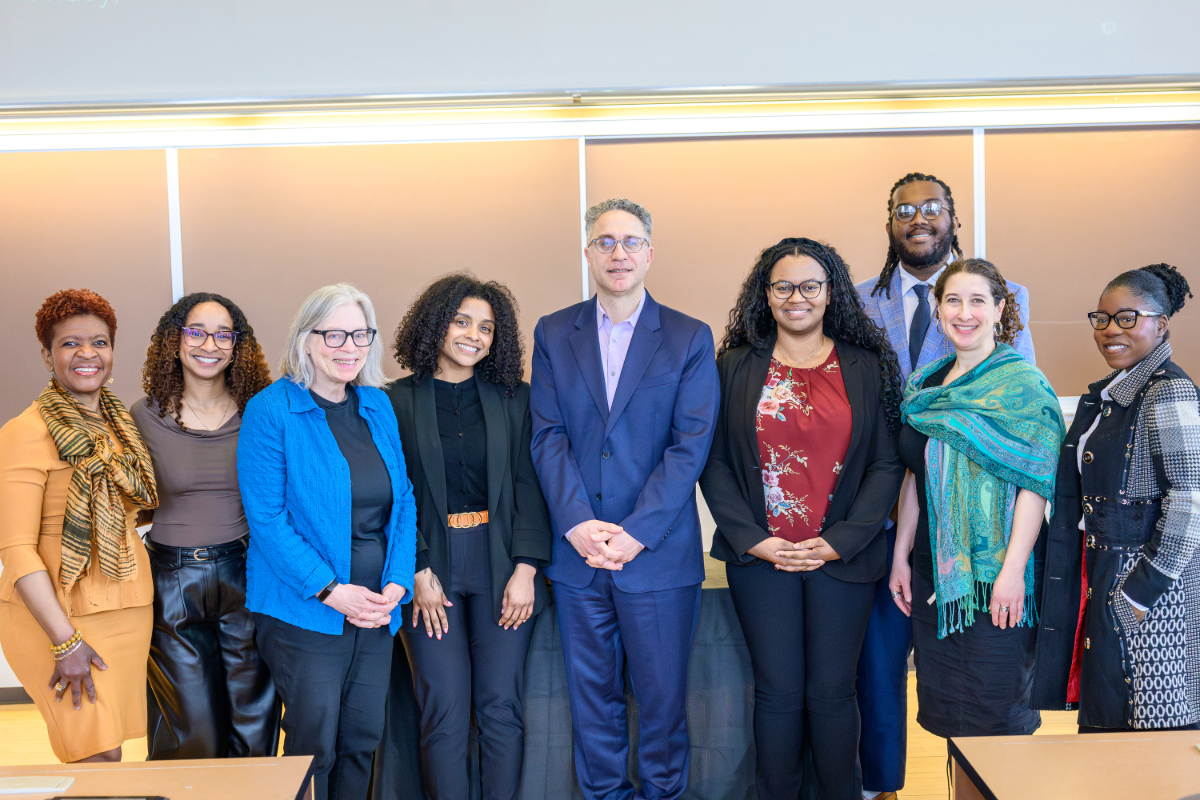
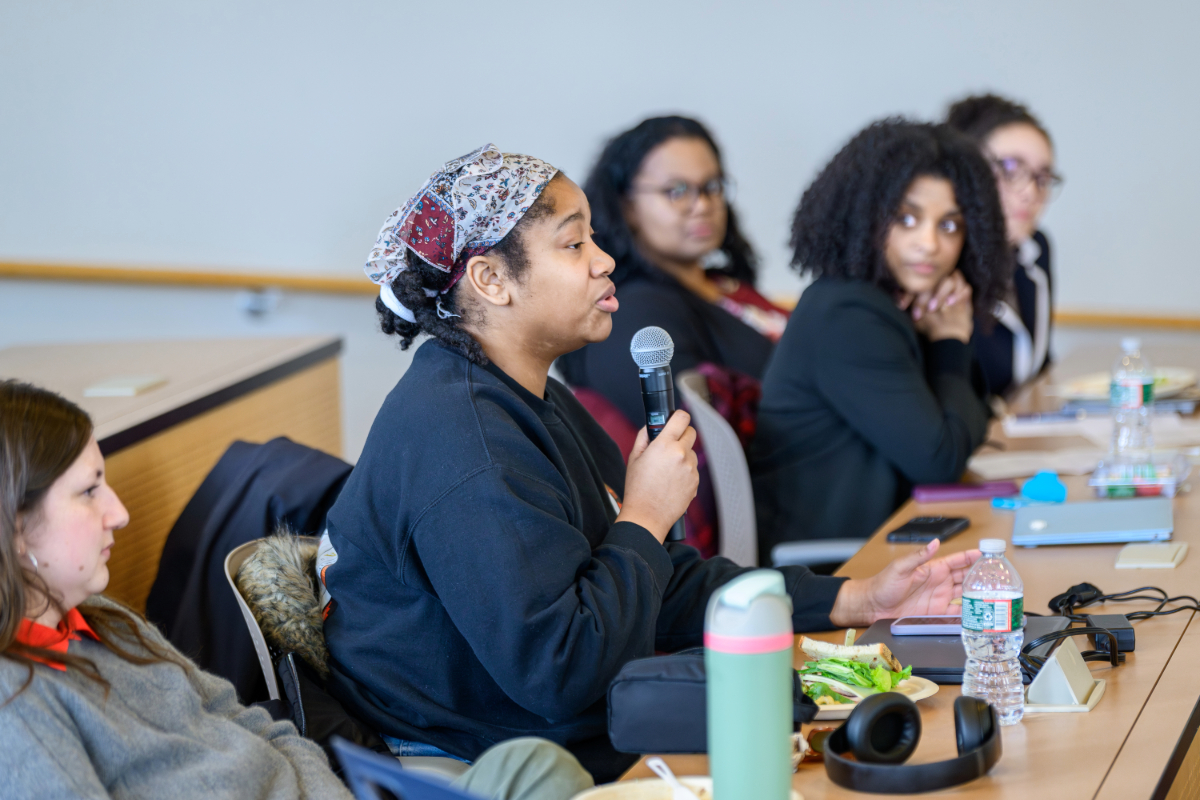
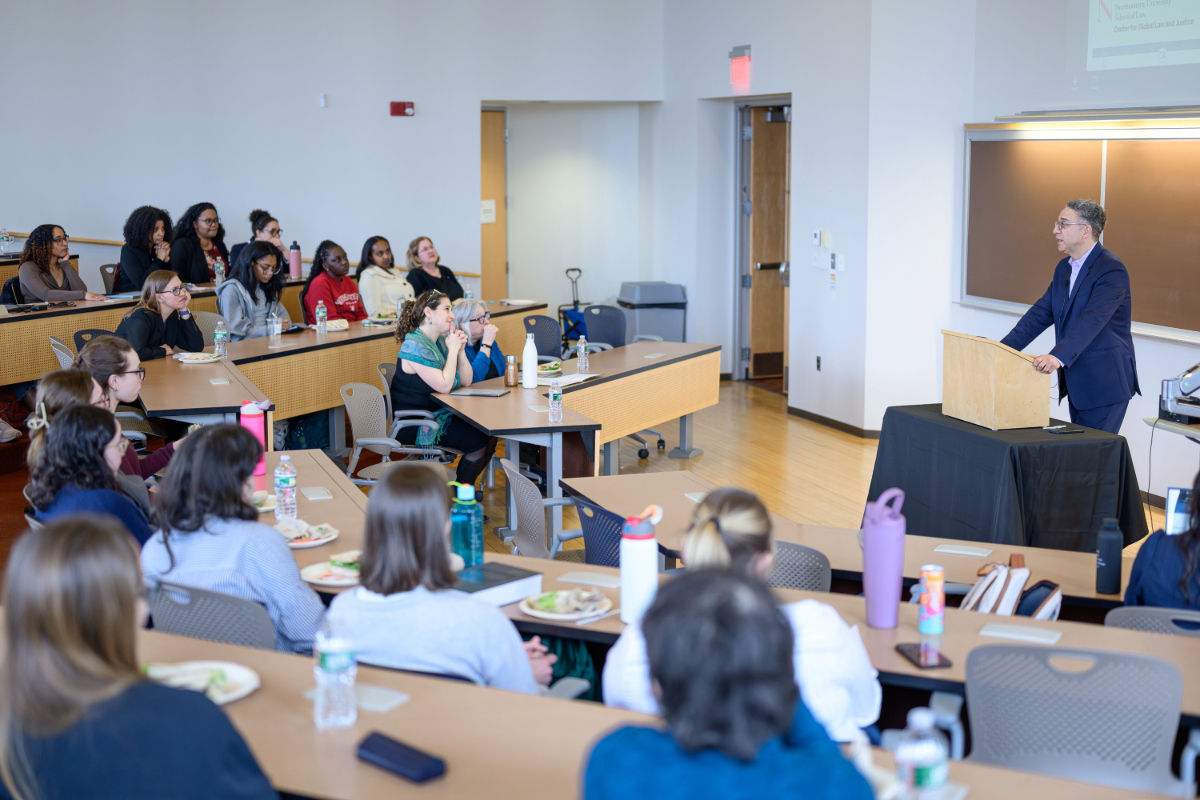
04.01.26 — The Northeastern Law community gathered on March 27 to honor the legacy of Valerie Gordon '93 at the 31st annual Valerie Gordon Human Rights Lecture, co-hosted by the Center for Global Law and Justice and the Kemet Chapter of the Black Law Students Association. Jamil Dakwar, director of the ACLU's Human Rights Program, delivered the keynote, “Accountability for Human Rights: From the Local to the Global,” drawing members of the law school community, the Gordon family and the public into a timely conversation about human rights accountability at home and abroad.
“Human rights have been championed by directly impacted communities and survivors of atrocities. They have sustained collective action to push back against racial segregation, apartheid, colonialism, occupation, authoritarianism, and autocracy. The human rights framework, as imperfect as it has been, offered hope for humanity built on equality, human dignity, justice, and freedoms — and that project is worth defending,” said Dakwar, who serves as the ACLU's main representative to the United Nations and leads the ACLU’s international advocacy before other regional and international bodies, including the Inter-American Commission on Human Rights.
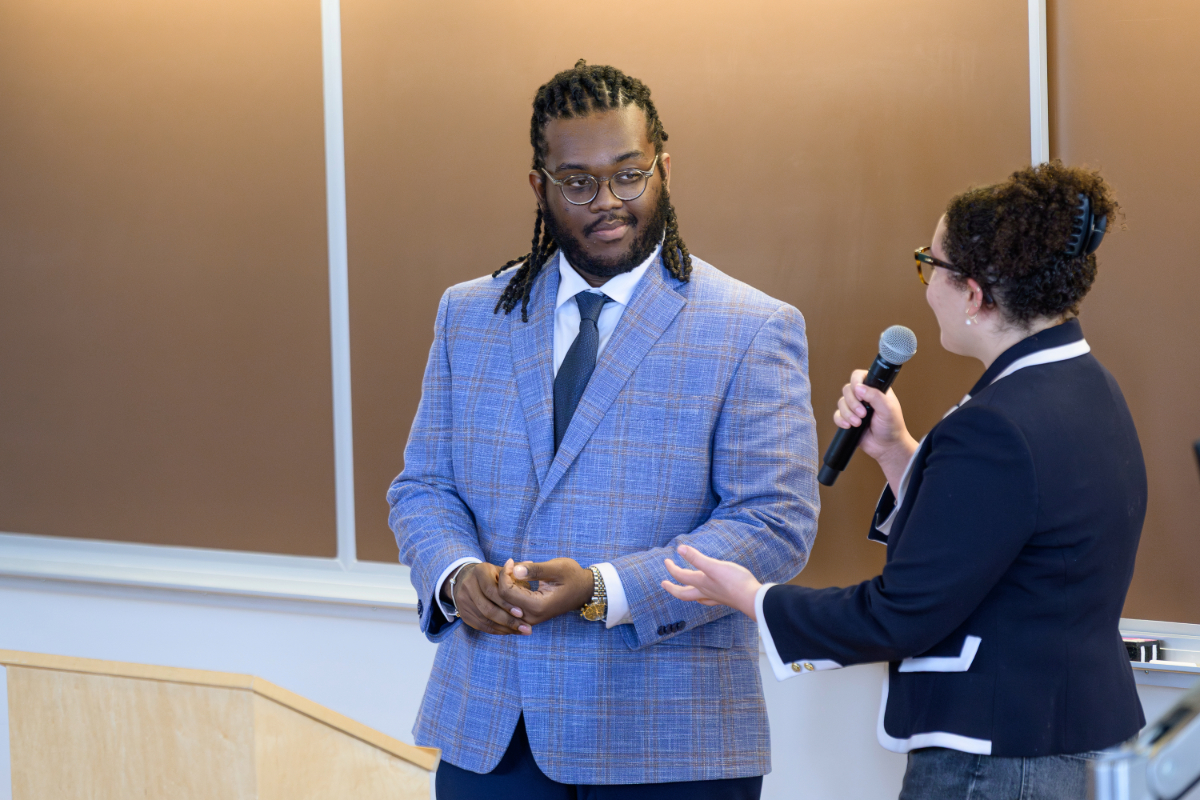
The event also featured the announcement of this year's Spirit of Valerie Gordon Essay Award. Lamar Richards ’28 was recognized for his essay, “Not Homeless Enough for Help: Why Congress Must Redefine Homelessness After Grants Pass and Loper Bright.”
Richards' essay argues that two landmark 2024 Supreme Court decisions — City of Grants Pass v. Johnson and Loper Bright Enterprises v. Raimondo — have created an urgent crisis in federal homelessness law. Grants Pass removed constitutional protections that had limited municipalities from criminalizing unsheltered homelessness, while Loper Bright stripped federal agencies of the interpretive flexibility to expand the statutory definition of homelessness through administrative action. Together, these decisions expose a deepening gap: millions of Americans living in precarious, housing-dependent situations — doubled up with relatives, couch-surfing, or one disagreement away from the street — are already invisible under the federal definition of homelessness in 42 U.S.C. § 11302, and now face a legal landscape with fewer protections than ever.
Richards proposes a targeted statutory remedy: amending § 11302 to recognize “housing dependency” as a legally cognizable form of homelessness, paired with anti-criminalization protections that would prevent localities from penalizing the expanded population. Drawing on the McKinney-Vento Act's already-broader definition of homelessness for children in the education context, Richards argues that Congress has both the precedent and the tools to act — and that doing so is the defining social justice imperative of our time.
The Valerie Gordon Human Rights Lecture honors the memory of Valerie Gordon '93, an anti-racism and women's rights activist and fierce advocate for human rights in the U.S. and internationally.
Photo Gallery

About Northeastern University School of Law
The nation’s leader in experiential legal education since 1968, Northeastern University School of Law offers the longest-running, most extensive experience-based legal education program in the country. Northeastern guarantees its students unparalleled practical legal work experiences through its signature Cooperative Legal Education Program. More than 1,000 employers worldwide in a wide range of legal, government, nonprofit and business organizations participate in the program. With a focus on social justice and innovation, Northeastern University School of Law blends theory and practice, providing students with a unique set of skills and experiences to successfully practice law.
For more information, contact [email protected].